





Industry Chain
Upstream of the industry
Midstream of the industry
Downstream of the industry
Manufacturing of raw materials and basic components
Metal material processing
It includes the smelting and rolling of basic metals such as steel, aluminum and copper, providing structural component base materials for hardware tools.
Manufacturing of non-metallic materials
Plastic pellets, rubber raw materials, ceramic materials, etc. are used in the production of non-metallic parts such as tool handles and seals
Manufacturing of electronic components
Sensors, motors, control chips, etc., are applied to intelligent functional modules of power tools
Manufacturing of hardware tools
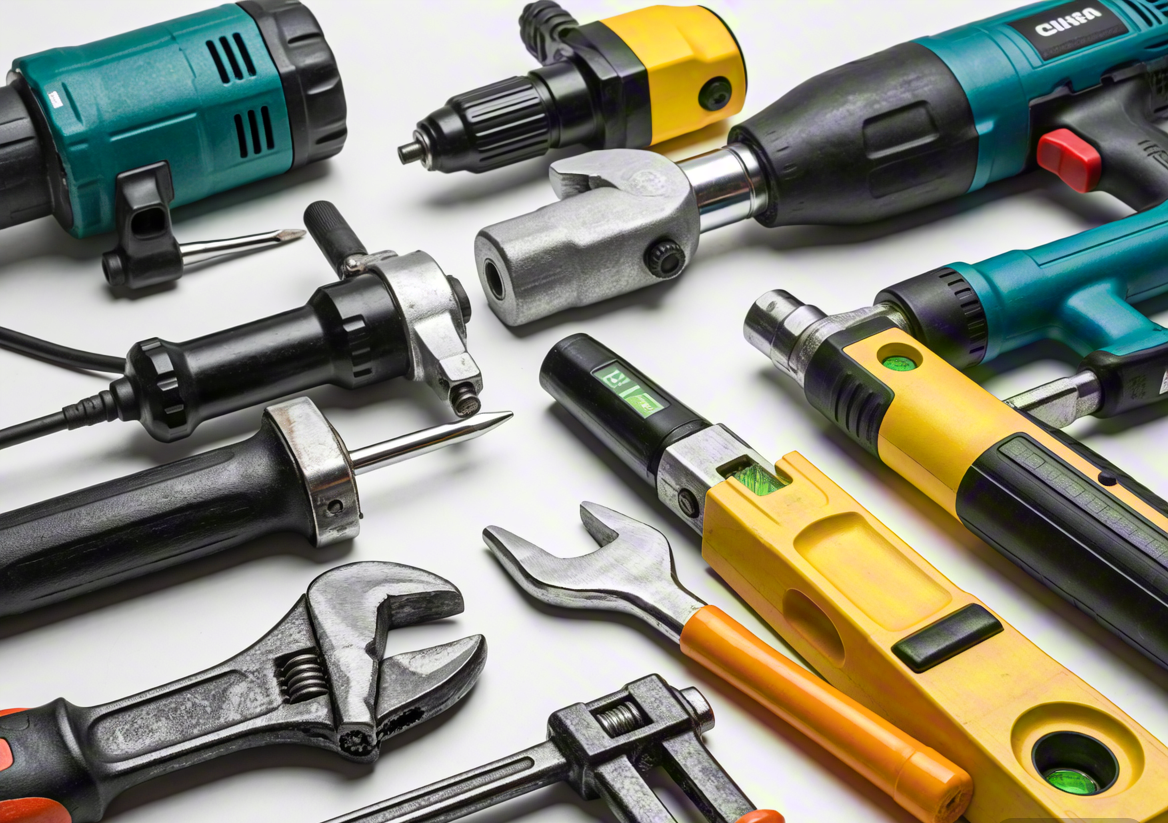
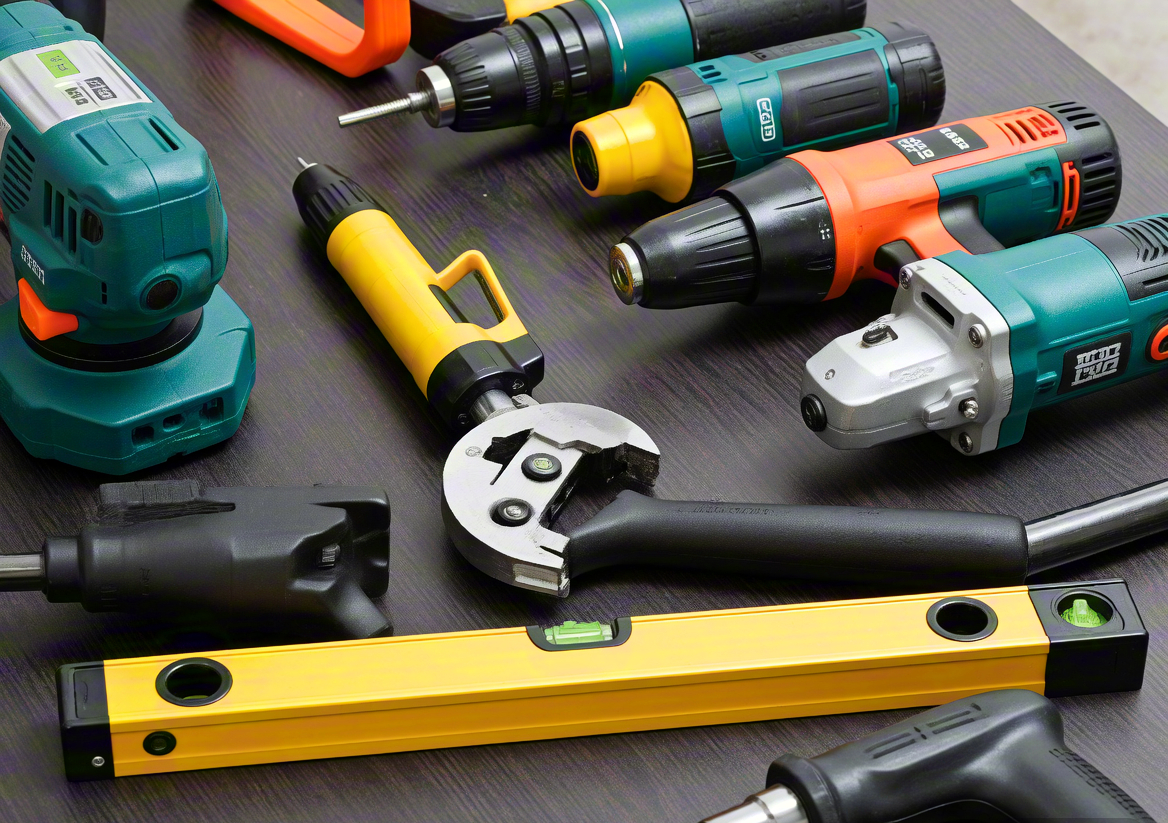
Manual tools
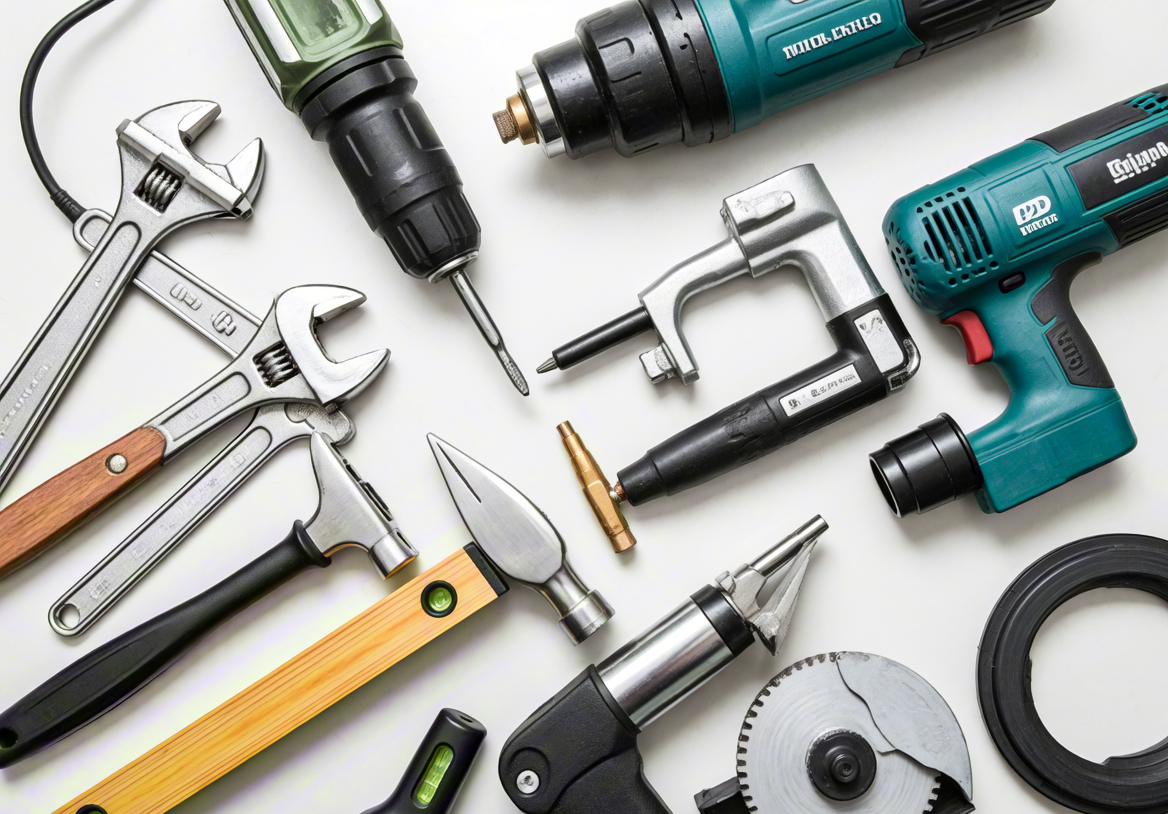
Traditional tools such as wrenches, screwdrivers and hammers rely on metal stamping and heat treatment processes.
Electric tools
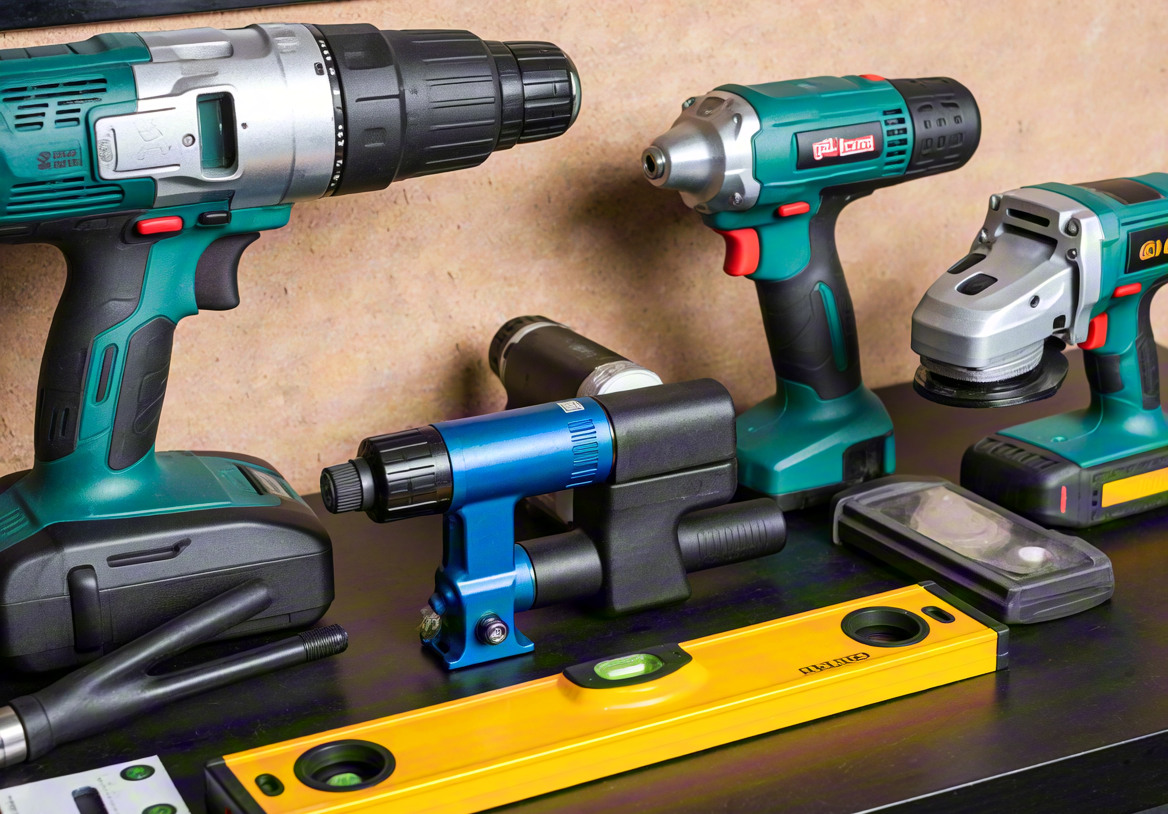
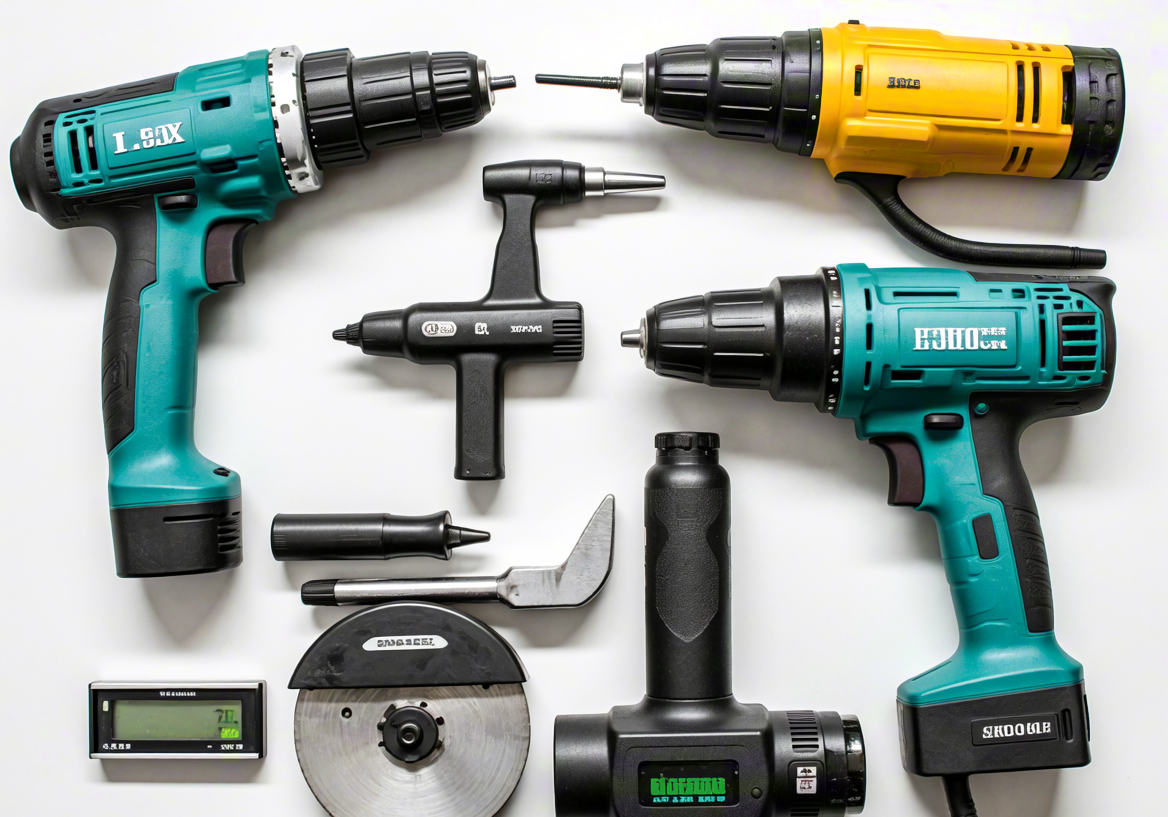
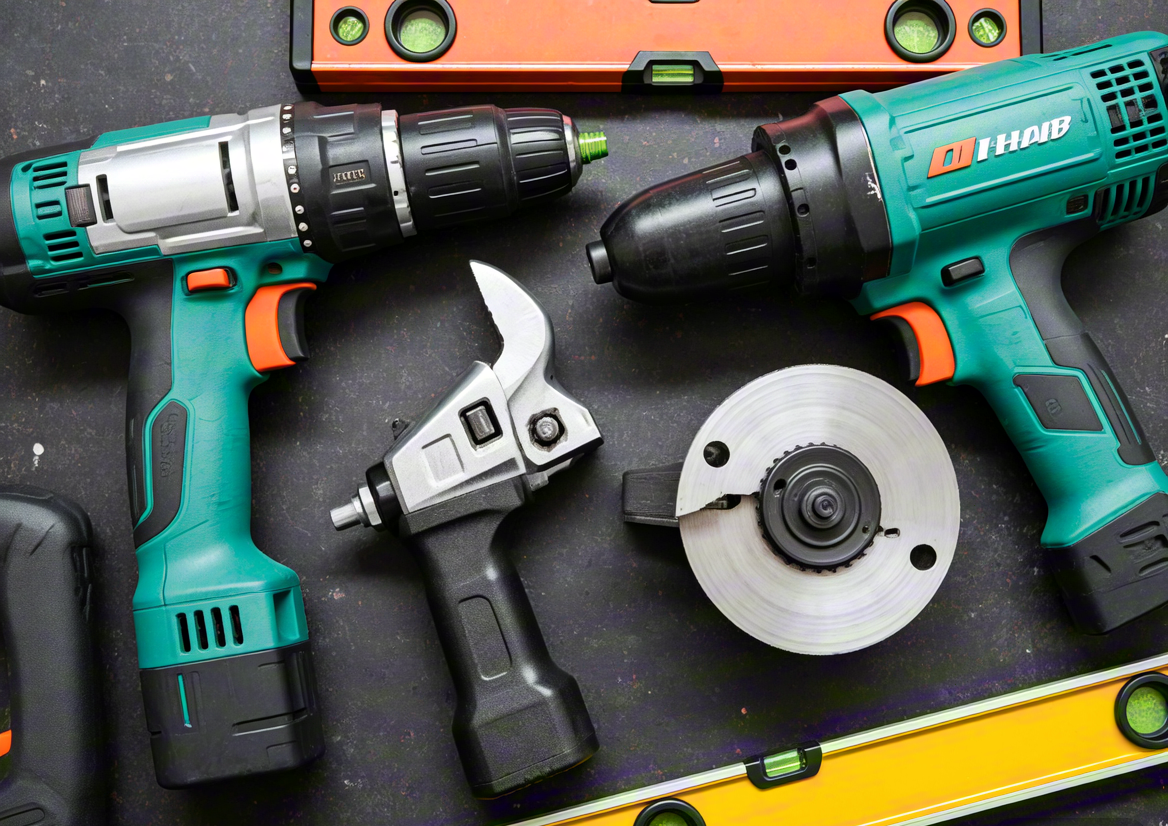
Electric drills, Angle grinders, cutting machines, etc., with core components including motors, battery packs and transmission mechanisms.
Pneumatic wrenches, spray guns, etc., rely on compressed air drive systems and precision valve body manufacturing.
Laser rangefinders, levels, etc., integrate optical and electronic sensing technologies.
Application field
Construction engineering
Metal processing demands in scenarios such as steel bar cutting, pipe installation, and formwork fixation
Automobile maintenance
The use of professional tools for engine component disassembly, sheet metal repair, tire replacement, etc.
Home decoration
Tool matching for DIY scenarios such as wood cutting, tile laying, and furniture assembly.
Industrial maintenance
The demand for special tools in scenarios such as equipment maintenance, pipeline welding, and precision instrument debugging.
Industry Pain Points
Backward Traditional Equipment
Single function
Short service life
Hard to guarantee personal safety
Complex Processing Procedures
Poor processing accuracy and low efficiency
Poor material utilization
High labor cost
Severe Industrial Pollution
Lots of smoke and dust during processing
Cutting fluid pollutes the environment
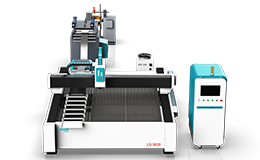
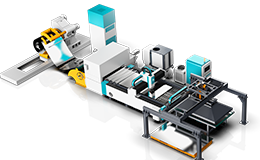
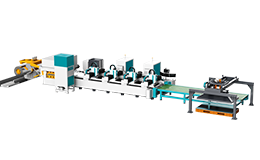
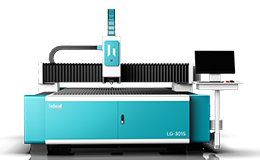
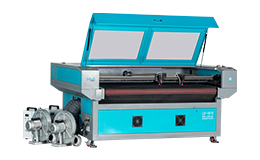
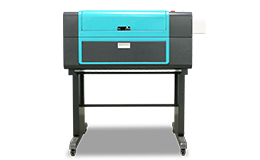
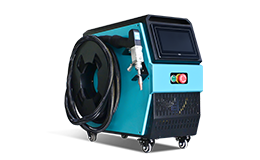
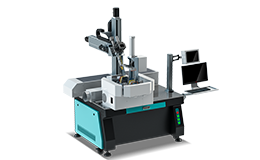
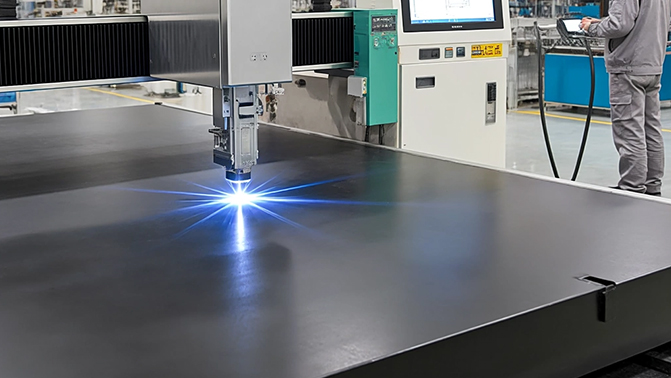
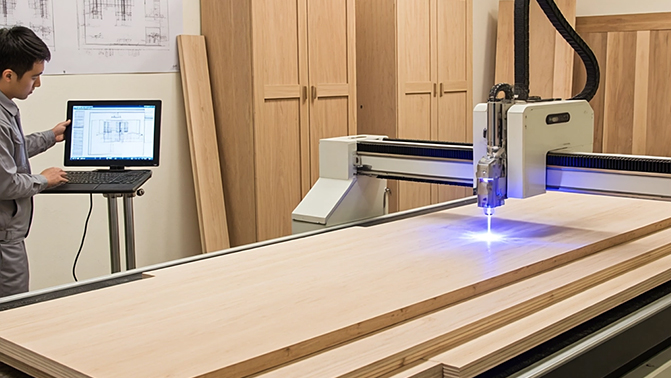
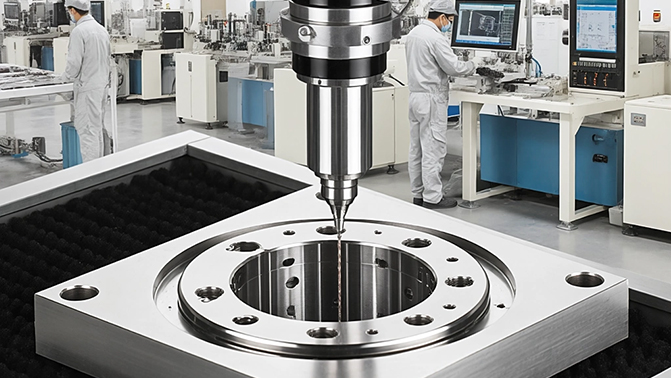
Some applications of laser cutting in the industry
Hand Tools
Wrench opening forming: Laser cutting replaces traditional stamping processes, enabling the machining of complex irregular hole shapes.
Saw blade tooth profile machining: Ultrafast laser cutting technology achieves precise tooth profile cutting of carbide saw blades.
Power Tools
Motor core lamination: Laser cutting replaces wire cutting, increasing silicon steel sheet utilization to over 95%.
Battery pack casing: Laser-cut aluminum casing, combined with welding to achieve IP67 waterproof rating.
Transmission gear machining: Laser hardening strengthens gear surfaces, extending tool life.
Pneumatic Tools
Valve body flow channel machining: Laser-cut stainless steel valve core for optimized gas flow efficiency
Cylinder body sealing groove: Laser-cut rubber sealing ring to ensure zero compressed air leakage
Quick coupling manufacturing: Laser-welded copper coupling to withstand 800psi working pressure
Measuring Tools
Laser ranging module: Vertical-cavity surface-emitting laser (VCSEL) packaged and cut
Level reference plane: Laser-engraved glass reference line, accuracy up to 0.1mm/m
Infrared temperature probe: Laser-cut metal housing, integrating a non-contact sensor
Hello
top
Online Message
Your information will be strictly confidential. Please fill it out with confidence.
Send