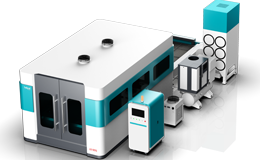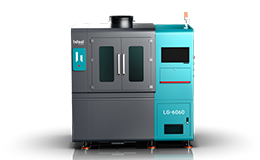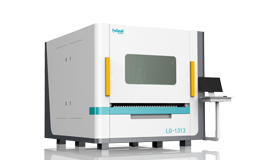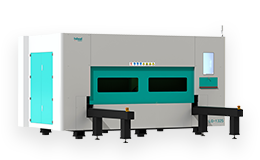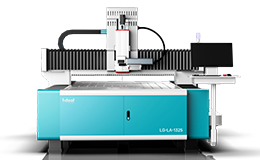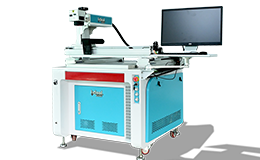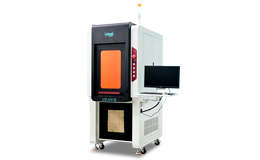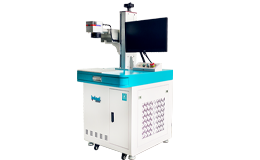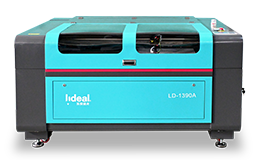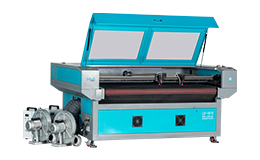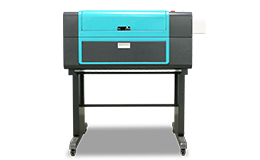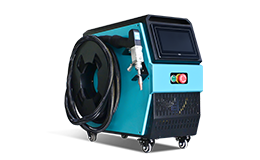

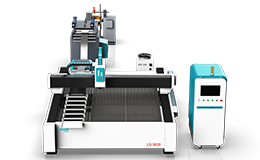
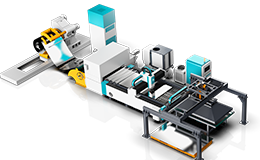
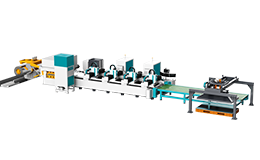
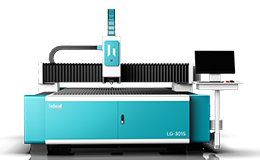
In the field of metal processing, how to select a fiber laser cutting machine with appropriate power based on material thickness and processing efficiency requirements?
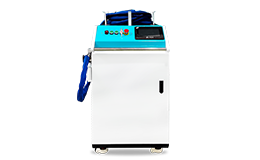
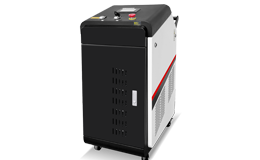
The power selection of a fiber laser cutting machine needs to comprehensively consider the material thickness and processing efficiency. Generally, a 2kW device can cut carbon steel of 6mm or less, with an efficiency of up to 8m/min. The 4kW equipment is suitable for 10mm plates, and the cutting speed is increased by 30%. For high-power models above 6kW, they can handle plates as thick as 20mm. Combined with intelligent perforation technology, the preheating time can be reduced.
What are the main differences and applicable scenarios between CO₂ laser cutting machines and fiber laser cutting machines when processing non-metallic materials?
CO₂ laser (10.6μm) has a high absorption rate for non-metallic materials such as acrylic and wood, with smooth cutting edges free of burrs, making it suitable for the advertising signage and packaging industries. The metal absorption rate of fiber laser (1064nm) is 35%, but the non-metal absorption rate is only about 5%, and it is prone to carbonization.
When yellow edges occur during the cutting of stainless steel, how can the problem be solved by adjusting the process parameters?
The yellow edge of stainless steel is mainly caused by the deposition of oxide layers and requires nitrogen-assisted cutting. Suggested parameter adjustments: Increase the power density to 0.8kW/cm², reduce the cutting speed by 10%, and increase the nitrogen pressure to 1.5bar.
In the welding of battery tabs for power batteries, how to solve the problems of hot cracks and pores in aluminum materials?
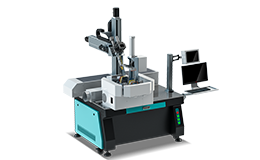
Aluminum material welding requires the use of high-frequency pulse modulation technology, with the frequency set at 200-500Hz and the duty cycle at 30%-50%. The annular spot welding head can form a molten pool with high energy density at the center and a preheating zone on the periphery, effectively reducing stress concentration. In conjunction with the online quality monitoring system, the weld penetration depth and porosity can be detected in real time, increasing the welding yield from 85% to 99.2%.
When connecting dissimilar metals (such as copper-aluminum), how can the formation of brittle compounds be avoided?
Dual-wavelength composite welding technology should be adopted. First, a 1064nm fiber laser is used to preheat the copper material, and then it is switched to a 532nm green laser to complete the fusion of the aluminum material.
Which materials are suitable for laser welding?
It is suitable for thin-walled metals (such as stainless steel, aluminum, copper, titanium, etc.), and can achieve precise spot welding and lap welding. It is especially suitable for the connection of dissimilar materials (such as copper-aluminum)